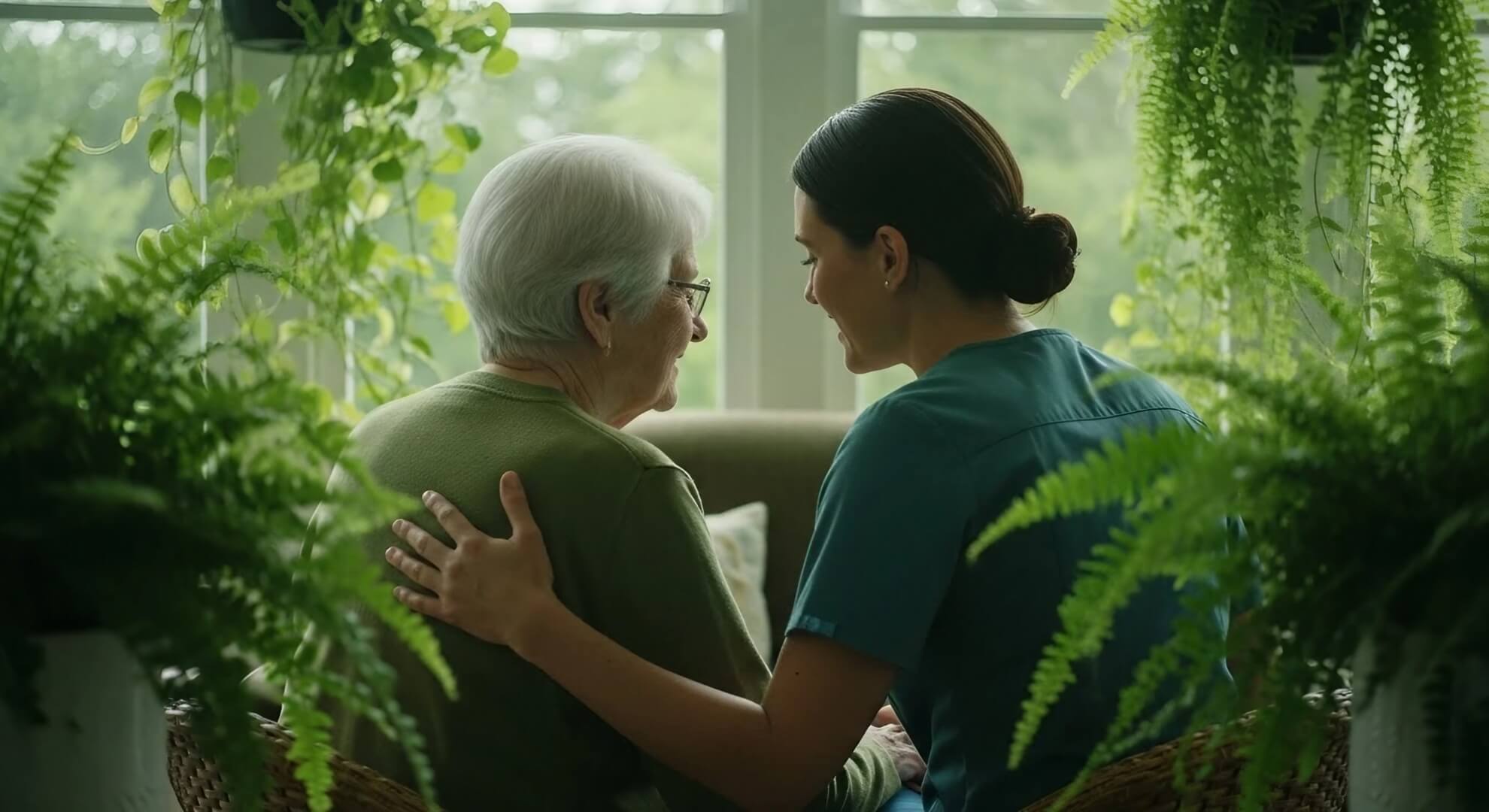


The modern world often places an extraordinary value upon the concept of radical independence. We are taught from a young age that to be successful is to be self-reliant and to manage our affairs without imposing upon others.
There is a quiet dignity in this autonomy, yet it can become a heavy burden when we face the physical realities of a medical crisis or the end of life. We must ask ourselves what happens when the strength we have always relied upon begins to fade.
When we consider the possibility of an emergency, many of us list ourselves as our own primary support system. We believe that we will always be able to articulate our needs, even in the midst of profound pain or confusion.
This blog post invites you to look beyond the myth of the solitary journey. It offers a gentle validation of the fear that arises when we realize that “me” is simply not enough during a time of crisis.
DISCLOSURE: This post contains affiliate links. When you purchase through these links, I may receive a small commission that helps me continue to provide these resources for your journey, at no extra cost to you. I only recommend resources I believe in.
The Fragile Myth of Radical Autonomy
It is natural to desire control over every aspect of our existence. We build lives that are monuments to our own capability and resilience.
However, the human body is inherently vulnerable and exists within a state of constant change. There may come a moment when the mind is willing, but the voice is no longer able to speak the truths of the heart.1
Acknowledging that we require others is not a sign of failure or weakness. It is a profound recognition of our shared humanity and the interconnectedness that sustains us all.
The Quiet Crisis of the Unspoken Word
Imagine the atmosphere of a sterile emergency room in the middle of the night. It is a place of clinical efficiency where the individual story can easily be lost in the urgency of the moment.
If you are unable to communicate, the medical team is left to make assumptions based solely on biological data. They do not know your history, your values, or the specific fears that keep you awake.
Without a designated advocate, your most sacred wishes regarding your care may remain locked within you. This silence creates a vacuum where your agency is replaced by standardized protocols.
The Practical Burden of Unfinished Details
Beyond the medical interventions, there is the intricate tapestry of your daily life that continues to run. Who will ensure that your home remains a sanctuary while you are away?
Small details, such as feeding a beloved pet or securing a residence, can become sources of immense anxiety during a health crisis. These practicalities weigh heavily on the spirit when there is no one tasked with their care.
A lack of preparation ensures that the people you love are forced to guess what you would want. This creates an unnecessary layer of grief and confusion during a time that is already fraught with emotion.
The Advocate as a Living Bridge
A death doula serves as a professional emergency contact who exists outside the immediate emotional fog of the family. They act as a vital link between the medical institution and the private world of the patient.
This role is built upon a foundation of deep knowledge and a radical commitment to your specific directives. They hold the keys to your medical history and the nuances of your “Advance Directive.”
The death doula acts as a vital link, making certain the clinical setting honors the individual’s dignity and humanity. In doing so, they convert what could be a detached procedure into a meaningful experience characterized by intentional care.
The Sacred Responsibility of Professional Presence
The presence of a dedicated advocate provides a unique form of stability that is often missing in a crisis. They are the calm center within the swirling activity of a hospital or a hospice.
Unlike family members who may be overwhelmed by their own sorrow, the death doula remains focused on the client’s stated mission. They are trained to navigate the complex systems of palliative care with grace and clarity.
This professional presence allows your loved ones to simply be with you in a state of love. They are relieved of the burden of fighting for your rights, as that task is held by a trusted guide.
Safeguarding the Sanctity of Personal Choice
We often assume that a signed document is enough to guarantee that our wishes will be honored. Unfortunately, paperwork is often overlooked or misinterpreted in the heat of a medical emergency.
A death doula ensures that your “Advance Directive” is not just a piece of paper, but a living instruction. They are the voice that reminds the medical team of your “do not resuscitate” orders or your preference for comfort care.
Safeguarding your choices requires an active and vigilant presence. It is the process of translating your philosophy of life into the reality of your death.2
Finding Stillness Within the Storm of Transition
When you know that you are truly protected, a remarkable shift occurs within the psyche. The “3 AM test”—the question of who would answer your call in the dark—is finally resolved.
This certainty creates a space for a profound sense of peace to take root. You are no longer required to be your own guard and protector while you are attempting to find rest.
The stillness that follows this preparation is a gift to both the individual and their community. It allows for a transition that is defined by acceptance rather than by a frantic struggle for control.3
The Communal Roots of Modern Advocacy
The concept of a death doula is not a modern invention but a return to ancient traditions of community care. Throughout history, there have always been individuals who specialized in the sacred art of being present at the end of life.4
We are rediscovering the truth that no one should ever have to face a crisis alone. Our ancestors understood that the transition out of this life requires as much support as the transition into it.
By connecting with a professional death doula, you are participating in a timeless human lineage. You are acknowledging that we are at our best when we are looking out for one another.
Restoring Dignity Through Informed Compassion
Dignity is often the first thing that is sacrificed in a high-pressure medical environment. It is difficult to feel like a person of worth when you are reduced to a series of symptoms and charts.
A death doula restores this dignity by constantly centering the conversation on your humanity. They use your name, they share your stories, and they honor the physical space surrounding you.
Informed compassion means that the person standing by your side understands exactly what you are going through. They provide a mirror that reflects your strength back to you, even when you feel most vulnerable.
The Grace of Being Truly Known
Ultimately, the work of a professional death doula is the work of witnessing. It is the profound grace of having someone in your corner who truly knows the contents of your soul.
When the end of the journey approaches, the most significant comfort is the knowledge that you will be seen until the very end. You are not a stranger in a foreign land; you are a person being held in a circle of protection.5
This architecture of support is the greatest legacy of preparation we can leave behind. It ensures that our final chapters are written with the same intention and beauty as the rest of our lives.
Standing at the threshold of 2026, we find ourselves in a season of deep reflection, acknowledging that for many, the turning of the calendar is a time of quiet vigilance and dedicated care for those we love.
May the arrival of this new year offer a soft radiance to your path and a profound sense of restoration to your spirit as you navigate the tender complexities of transition.
I wish you a year ahead marked by gentle beginnings, the comfort of shared presence, and the unwavering light of compassion.
References:
- Palmer, Parker J. “Let Your Life Speak.” An exploration of the inner journey and the importance of listening to one’s soul during times of significant transition and silence. ↩︎
- Miller, BJ and Shoshana Berger. “A Beginner’s Guide to the End.” A practical and deeply human exploration of the logistical and emotional steps required to navigate the end of life with agency and grace. ↩︎
- Samuel, Julia. “Grief Works.” An insightful look into the pillars of the grieving process, focusing on how we can learn to live with loss through honest emotional expression. ↩︎
- ore, Thomas. “Care of the Soul.” A foundational text on finding spiritual depth in everyday life and recognizing the sacred nature of domestic transitions. ↩︎
- Albom, Mitch. “Tuesdays with Morrie.” A narrative of final lessons that emphasizes the importance of open communication and the beauty of human connection at the threshold of life. ↩︎
Leave a Reply