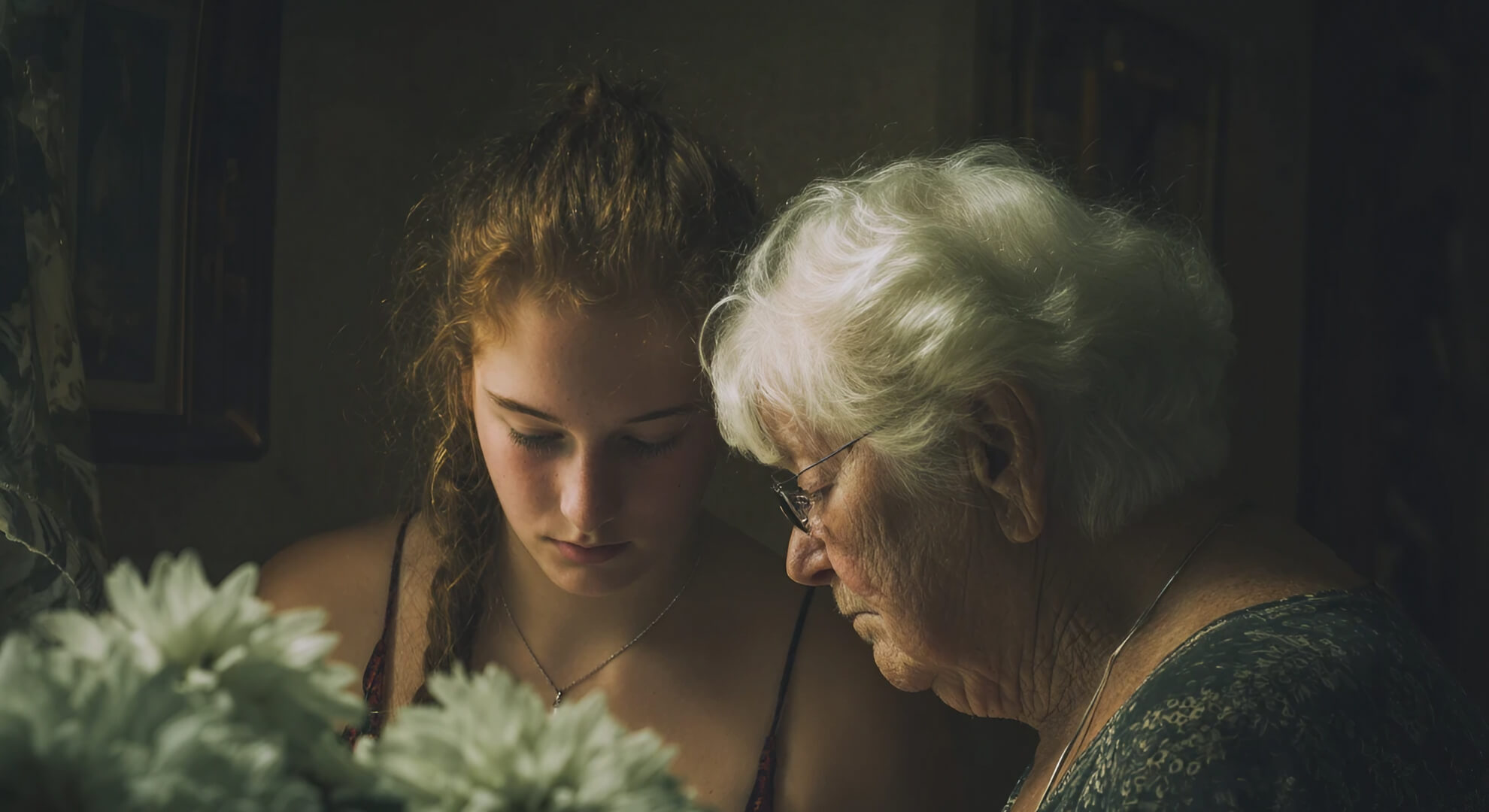


The walls of a long-inhabited house do more than provide shelter; they act as a silent repository for the narrative of a life. Within these boundaries, every floorboard creak and every play of light across a familiar hallway serves as a gentle reminder of who we have been and who we remain.
To age in place is not merely a logistical preference; it is a spiritual longing for continuity and a defense against the disorienting tides of change. It is vital to acknowledge that this desire is deeply rooted in the human need for agency and the comfort of the known.
When we speak of staying home, we are speaking of preserving the sacred geography of our own existence.
DISCLOSURE: This post contains affiliate links. When you purchase through these links, I may receive a small commission that helps me continue to provide these resources for your journey, at no extra cost to you. I only recommend resources I believe in.
The Emotional Horizon of Independence
There is a profound, unvoiced consensus among us that our independence is synonymous with our physical location. We hold tight to the keys of our front doors as if they are the primary symbols of our sovereignty.
This collective dream of autonomy is more than a simple wish; it is a rejection of the sterile, unfamiliar environments that so often characterize residential care facility. Yet, a significant chasm exists between the beauty of this wish and the preparation required to sustain it.
We often mistake the intensity of our desire for the presence of a plan, forgetting that the home is a psychological vessel where our past self-reliance must eventually learn the language of receiving care.
The Limitation of Hope as a Strategy
As we face the realities of growing older, there is a delicate truth that must be held with both tenderness and honesty: hope is not a strategy.
To rely solely on the expectation that circumstances will remain static is to invite a crisis that may ultimately strip away the very independence we seek to protect.
The transition from a vibrant, self-sufficient life to one that requires support is rarely a sudden event; rather, it is often a gradual accumulation of small, overlooked vulnerabilities.
Without an intentional framework, the dream of staying home can quickly transform into a prison of isolation or a site of avoidable injury, where the sanctuary we love becomes the source of our deepest fears.
The Fragility of the Physical Body
The integrity of a plan to remain at home is often tested by the fundamental realities of the human form. As we move through the later chapters of life, the risk of a fall is not just a medical event; it is a narrative disruption that can end the story of our independence in an instant.
A single misstep on a familiar rug can alter the course of a life, leading to a forced relocation that feels like a betrayal of the spirit. Furthermore, the management of daily health needs requires a level of precision that can become taxing as cognitive fatigue sets in.
When these thresholds are reached without a system of support, the home environment is compromised, rendering the wish for independence untenable.1
The Quiet Crisis of Social Withering
Beyond the physical risks of injury, there exists a silent, pervasive threat to those who age within their own walls: the slow erosion of nourishment and connection.
The simple act of grocery shopping or preparing a balanced meal can become an exhausting endeavor, leading to a decline in vitality that often goes unnoticed by the outside world. This nutritional deficit is frequently accompanied by a deepening sense of loneliness, a quiet withering of the spirit that is as detrimental to health as any physical ailment.
True aging in place requires more than a roof; it requires a consistent influx of care that feeds both the body and the soul through meaningful human interaction.
The Specific Journey of the Solo Ager
For the “solo ager”—those individuals who walk the path of life without a traditional family structure—the necessity of a formal plan is an act of self-preservation.
In the absence of an adult child to notice a change in gait or a thinning pantry, the responsibility for oversight must be intentionally orchestrated. The solo ager faces a unique set of challenges that require a proactive approach to building a “chosen family” of professional and personal support.
It is a courageous act of reclamation to recognize that self-reliance does not mean doing everything alone; rather, it means having the wisdom to curate the help that is needed to stay safe.2
The Weaver of the Stay-at-Home Plan
We must shift our perspective from viewing help as a sign of failure to seeing it as the foundation of our success. In this context, the death doula emerges as a vital presence who helps weave the stay-at-home plan into a functional reality.
Much as a traditional doula accompanies a family through the transition of birth, the death doula provides the structural and emotional support necessary to navigate the complexities of aging. They serve as a bridge between the wish to stay home and the practical reality of doing so safely.
Coordinating the micro-logistics of daily life, the death doula ensures that the person remains the protagonist of their own story, thriving rather than merely surviving.
Designing the Framework of Safety
The work of the death doula involves a meticulous assessment of the home environment and the daily rhythms of the individual.
This includes the implementation of subtle but vital modifications—the installation of grab bars that blend into the décor, the removal of hazards that have become invisible over time, and the improvement of lighting to illuminate the path forward. However, the plan extends far beyond the physical space.
It involves the creation of a reliable rhythm for grocery deliveries, the organization of check-in calls to combat the shadows of isolation, and the establishment of a clear protocol for medical emergencies. This architecture of care is what makes the desire for home a functional reality.
Micro-Logistics as an Act of Devotion
When we attend to the small details—ensuring the pharmacy delivers on time, arranging for a weekly visit from a companion, or installing a smart system that monitors safety—we are performing an act of profound devotion to our future selves.
These micro-logistics are the invisible threads that hold a life together. They prevent the minor inconveniences of aging from snowballing into the catastrophic failures that lead to the unwanted move into a care facility.
Choosing to delegate these tasks to a coordinated system frees the individual to focus on the things that bring meaning and joy to their days, rather than being consumed by the exhausting labor of basic survival.
A Legacy of Choice and Sovereignty
Ultimately, the goal of planning for aging in place is to ensure that the final chapters of life are written with dignity and sovereignty. It is about honoring the person you have become by providing for the person you will be.
When we embrace the necessity of a plan, we are not admitting defeat; we are asserting our right to live on our own terms, surrounded by the objects and memories that define us.
There is a deep, resonant peace that comes from knowing the bridge has been built before it is needed. Transforming the myth of aging in place into a lived reality allows the home to remain a sanctuary of grace and a testament to a life well-lived.3
Considering the transition from self-reliance to a collaborative model of care, which specific aspects of your daily routine do you feel most protective of, and how might sharing that responsibility actually strengthen your sense of agency?
References:
- Aronson, Louise. “Elderhood: Redefining Aging, Transforming Medicine, Reimagining Life.” A vital examination of how the medical system and society at large perceive and treat the elderly, advocating for a more nuanced and human-centered approach to the aging process. ↩︎
- Poo, Ai-jen. “The Age of Dignity: Preparing for the Elder Boom in a Changing America.” An insightful look at the infrastructure of care, highlighting the need for systemic changes to support both those who need care and those who provide it. ↩︎
- Gross, Jane. “A Bittersweet Season: Caring for Our Aging Parents—and Ourselves.” A compassionate and practical guide that navigates the emotional and logistical complexities of the caregiving years, offering wisdom for those trying to honor their parents’ wishes. ↩︎
Leave a Reply