

When the final breath leaves the body, the room undergoes a deep and quiet shift. It is a moment where time seems to stand still, creating a distinct boundary between the life that was and the silence that follows.
The acceleration of modern life often compels us to hurry through this fragile moment, prompting an immediate call to those who will carry the beloved away. However, there is a deep, restorative wisdom in pausing at this threshold.
Resisting the urge to hurry grants the bereaved the permission to truly inhabit the reality of the loss. It is in this stillness that the first act of grief begins, not as a thought, but as a physical presence beside the vessel that housed a beloved spirit.
DISCLOSURE: This post contains affiliate links. When you purchase through these links, I may receive a small commission that helps me continue to provide these resources for your journey, at no extra cost to you. I only recommend resources I believe in.
A Forgotten Heritage of Care
For the vast majority of human history, the care of the dead was a domestic art, practiced within the comfort of the home by family and community.
It was understood that those who loved the person in life were best suited to tend to them in death. This practice, often referred to as laying out the dead, allowed for a gentle and gradual acceptance of mortality.1
In the last century, however, we have largely entrusted this sacred duty to institutions and strangers. This distance has separated us from the physical reality of death, often leaving survivors with a sense of misconception.
Reclaiming the right to care for our own dead is not merely a logistical decision; it is an act of reclaiming our humanity and our heritage.
Understanding the Body’s Changes
To tend to a body requires a gentle understanding of the physical changes that occur after death. It is natural to feel hesitation regarding the physical form once the spirit has departed, yet knowledge dispels fear.
As the body cools, the skin may settle into a pale stillness, and the muscles will eventually relax before they stiffen.
Understanding these natural processes allows the caregiver to approach the body not with fear, but with compassion. It transforms the experience from something frightening into a final opportunity to offer protection and comfort before the body is surrendered to the elements.
Preparing the Sacred Space
Before the washing begins, one must tend to the environment. The room should be converted into a sanctuary that reflects the dignity of the moment.
This may involve lowering the lights, lighting candles to warm the air, or introducing scents such as frankincense or lavender that have been used for ages to bless spaces.
This preparation is as much for the living as it is for the dead. It signals to the heart that what is about to happen is distinct from the ordinary activities of daily life.
It creates a safe harbor where tears, silence, and gentle touch are welcomed and honored.
The Ritual of Washing
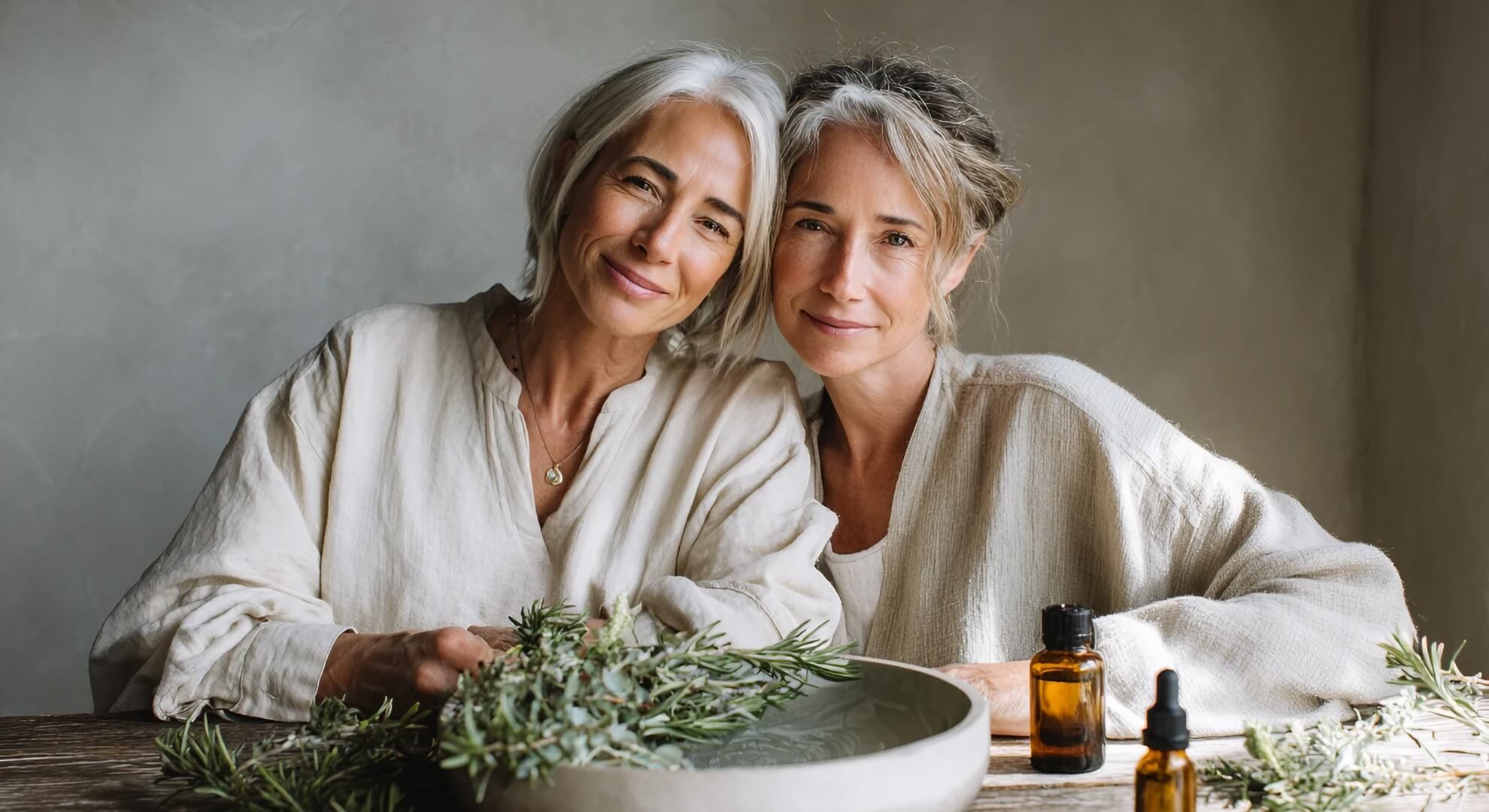
The act of bathing the deceased is a profound expression of intimacy. Using warm water, perhaps infused with essential oils or herbs like rosemary and sage, the caregivers gently cleanse the skin. This is not a clinical task but a ritual of love.
It is a time to move slowly, washing the hands that held yours, the face that smiled at you, and the feet that walked through the world. This simple act of touching helps the mind process the reality of the separation.
As one tends to the physical form, the heart begins to understand that the person is no longer present in the body, guiding the griever toward a healthier path of healing.
Anointing and Sensory Memory
Following the washing, the application of oils or lotions serves as a final blessing. Scent is strongly linked to memory, and using a favorite lotion or a sacred oil can invoke a powerful sense of connection.
This anointing is an ancient practice found in nearly every spiritual tradition, symbolizing the honoring of the vessel.
It is a way of saying that this body, which experienced pain, joy, illness, and health, is worthy of tenderness until the very end.
The slow, rhythmic motion of anointing allows the caregivers to pour their love into the physical form one last time, bridging the gap between the physical and the spiritual.
Shrouding and Dressing
Once the body is washed and anointed, the ritual moves to shrouding or dressing.
Some families choose simple, organic cotton or linen shrouds, wrapping the loved one in natural fibers that return gently to the earth. Others prefer to dress the deceased in favorite clothing—a wedding dress, a comfortable robe, or a beloved sweater.
The choice of textiles is significant; it is the final layer of protection we offer. Whether swaddling a body like a newborn or dressing them for a journey, this act restores individual identity and dignity to the deceased, countering the impersonal nature of institutional settings.
The Role of Integration Support
Navigating these intimate rituals while managing the details of death can feel overwhelming. This is where the role of the death doula becomes vital through Integration Support.
A death doula does not take over the process but acts as a steadying presence, guiding the family’s hands and offering instruction on the care of the body. Furthermore, Integration Support provides a crucial bridge between the home and the mortuary.
The death doula handles the complex paperwork, transport arrangements, and legal requirements, freeing the family to focus entirely on the emotional and spiritual work of the washing and shrouding, ensuring the sanctity of the moment is not broken by administrative demands.
The Vigil and the Departure
After the washing and shrouding are complete, staying with the body in a home vigil allows the reality of the loss to settle.
Visitors may come to pay respects in a setting that feels warm and personal. When the time finally comes for the body to leave the home, the transition feels different.
Because the family has participated in the care, the removal of the body is less of a sudden loss and more of a release.
They have walked their loved one to the gate, prepared them for the journey, and are now ready to let them go. The pain of the separation is softened by the love and care shared during the preparation.
The Gift of Peace
In the end, the choice to wash and shroud a loved one at home creates a lasting gift of peace for the survivors.
Years later, when they look back on the death, they do not remember a hurried hospital room or immediate separation.
Instead, they remember the quiet of the room, the scent of the oils, and the feeling of having served their loved one to the very end. It transforms the story of death from one of helplessness into one of profound connection.2
In tending to the body, we tend to our own grief, finding a path through the sorrow that is paved with love and purposeful action.
As we witness a gentle return to these ancestral practices, we see a softening of the fear that has long surrounded the physical reality of death. I invite you to share your reflections in the comments below. How might the act of reclaiming these final moments of care shift your own relationship with mortality?
References:
- Doughty, Caitlin. “From Here to Eternity: Traveling the World to Find the Good Death.” A sociological exploration of how diverse cultures handle the deceased, contrasting modern Western detachment with intimate, hands-on rituals of care. ↩︎
- Attig, Thomas. “How We Grieve: Relearning the World.” A philosophical and psychological examination of grief as an active process where the bereaved must relearn how to exist in the world through meaningful action and engagement. ↩︎
Leave a Reply