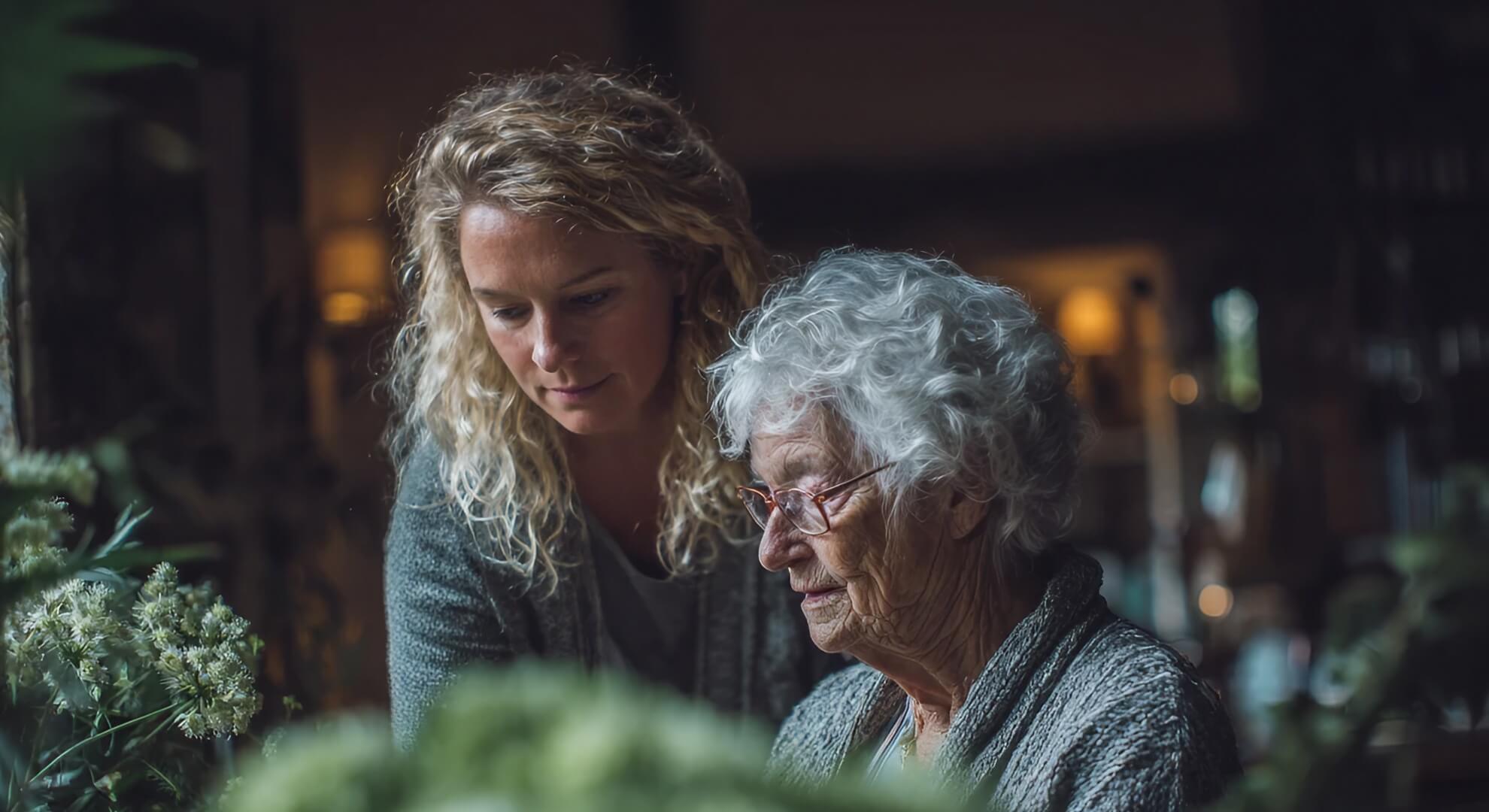


There exists a quiet, often desolate expanse within the reality of modern medicine that few are prepared to navigate. It is the period when a diagnosis is no longer treatable, yet the physical body remains resilient enough to keep the criteria for hospice care out of reach.
In this state, a person is often described as being too sick for the traditional goals of health and restoration, yet not sick enough to qualify for the structured support of end of life services. It is a liminal space where the urgency of the hospital has faded, but the finality of the deathbed has not yet arrived.
This period can last for months or even years, leaving families to manage the complexities of chronic decline without a clear roadmap or a consistent advocate.
DISCLOSURE: This post contains affiliate links. When you purchase through these links, I may receive a small commission that helps me continue to provide these resources for your journey, at no extra cost to you. I only recommend resources I believe in.
The Institutional Threshold of Eligibility
The current medical system operates with one of the two approaches. On one side, there is the aggressive pursuit of a cure, characterized by specialists, tests, and the frantic pace of acute care.
On the other side, there is hospice, a beautiful and necessary service that, unfortunately, is often restricted to those with a documented prognosis of six months or less to live. This rigid threshold creates a systemic abandonment for those who are “dying slowly.”
When a disease does not follow a predictable, rapid trajectory, the medical gaze often shifts elsewhere, leaving the patient and their caregivers in a state of clinical isolation.
The absence of a “terminal” label does not make the reality of the situation any less heavy; it simply makes the resources harder to find.
The Weight of Unrecognized Grief
For the family members who inhabit this middle ground, the emotional toll is immense and frequently goes unacknowledged. They are engaged in a marathon of caregiving that lacks the social recognition of a crisis.
This is a form of unrecognized or disenfranchised grief, where the loss is occurring in slow motion, day by day, as the loved one gradually recedes.
Because the person is not in the “active dying” phase, the community often expects the family to “keep going” as if the situation were manageable.
The lack of a definitive timeline creates a unique kind of exhaustion, a waiting that feels like a betrayal of the life that is still present, yet a necessary preparation for the loss that is inevitable.
The Death Doula as a Bridge of Continuity
This is the precise moment where the end of life doula enters the narrative, not as a clinical provider, but as a bridge.
Unlike the fragmented nature of medical teams who rotate in and out of a patient’s life, the doula offers the gift of continuity.
The decision to engage with a family long before the final days arrive establishes a foundation of trust and familiarity that the medical system cannot replicate.
This early entrance allows the death doula to become a steadying presence through the fluctuations of the disease, providing a sense of stability when the path forward feels most uncertain.
The death doula does not wait for a six-month prognosis to begin the work of accompaniment; they respond instead to the human need for presence.
Reclaiming the Narrative of the Person
One of the most profound benefits of early doula involvement is the opportunity to see and celebrate the person behind the disease.
In the sterile environment of a clinic, an individual often becomes a collection of symptoms, a chart of declining metrics, or a “case” to be managed.
The death doula takes the time to learn the stories, the preferences, the fears, and the triumphs of the individual. They hold space for the personhood that remains vibrant even as the body fails.
This deep knowing is essential for providing authentic care; it ensures that as the illness progresses, the decisions made are rooted in the values and the identity of the human being who is at the center of the journey.
The Foundation of Sustained Support
The support provided by a death doula during this prolonged period is multifaceted, addressing the practical, emotional, and existential needs of the entire family unit.
It may involve helping a caregiver organize the rhythms of a changing home, or facilitating difficult conversations that have been avoided for years.
The death doula serves as a non-judgmental witness to the frustration and the love that coexist in the long-term caregiving experience. The presence of a consistent point of contact reduces the sense of abandonment that families often feel when they are no longer “interesting” to the curative medical team.
This sustained support creates a container of safety within which the family can slowly begin the work of saying goodbye.
Mediating the Language of Loss
As the disease progresses, the language used by medical professionals can often feel cold or confusing.
The death doula acts as a translator and a mediator, helping the family understand the natural progression of the body while ensuring that their own voices are heard by the medical establishment.
They empower the family to ask the questions that matter most, moving beyond clinical statistics to the heart of what quality of life means for them. This mediation is crucial in the “not sick enough for hospice” phase, as it helps the family navigate the transition from hoping for a recovery to honoring a dignified decline.
It validates that choosing to focus on comfort and connection is a courageous and valid medical path.
The Validation of Slow Transitions
There is a quiet sanctity in the slow transition that is often overlooked in a culture that prizes speed and efficiency. The death doula validates the importance of this time, reframing the “not dying fast enough” frustration into a period of profound preparation.
This time allows for the mending of relationships, the completion of legacies, and the gradual softening of the heart. The death doula reminds the family that the length of the journey does not diminish its significance; rather, the years between diagnosis and death are a vital part of the life story.
The act of honoring the pace of the individual helps the death doula move the family away from a state of “waiting for the end” toward a state of “living until the end.”
Cultivating a Sanctuary within the Home
The home is often the place where the tension of the middle ground is most acutely felt. It becomes a site of both domestic life and medical management. The death doula assists the family in transforming the home into a sanctuary, ensuring that the environment reflects the spirit of the person living there rather than just the requirements of their illness.
This might mean arranging the space to allow for better connection, introducing rituals that bring comfort, or simply ensuring that the atmosphere remains one of peace and dignity.
The death doula helps the family reclaim their home from the shadow of the disease, making it a place where life, however changed, can still be celebrated and shared.
The Harvest of a Shared Journey
When the time finally arrives for the person to transition into active dying and qualify for hospice, the presence of the death doula ensures that this final shift is not a sudden, terrifying leap into the unknown. Because the death doula has been present for the long journey, the transition is a natural continuation of a shared process.
The family enters the final days with a sense of preparedness and a deep reservoir of support. The legacy of the death doula’s early involvement is a death that is integrated into the life that preceded it, a harvest of the connection and the truth that were cultivated during the long years of decline.
It is an affirmation of the belief that no one should have to walk the lonely middle ground alone.1
The reality of being too sick for traditional health goals yet not sick enough for hospice creates a unique emotional weight for both the individual and their caregivers. How has your own understanding of this quiet, often unrecognized expanse been reshaped by the perspective of a sustained companion, and what elements of a supportive presence do you find most essential as you consider the future of care in your own life?
References:
- Tolstoy, Leo. ‘The Death of Ivan Ilyich.’ A literary exploration of the isolation felt by the terminally ill when the medical and social systems fail to acknowledge their humanity. ↩︎
Leave a Reply